July 23, 2026
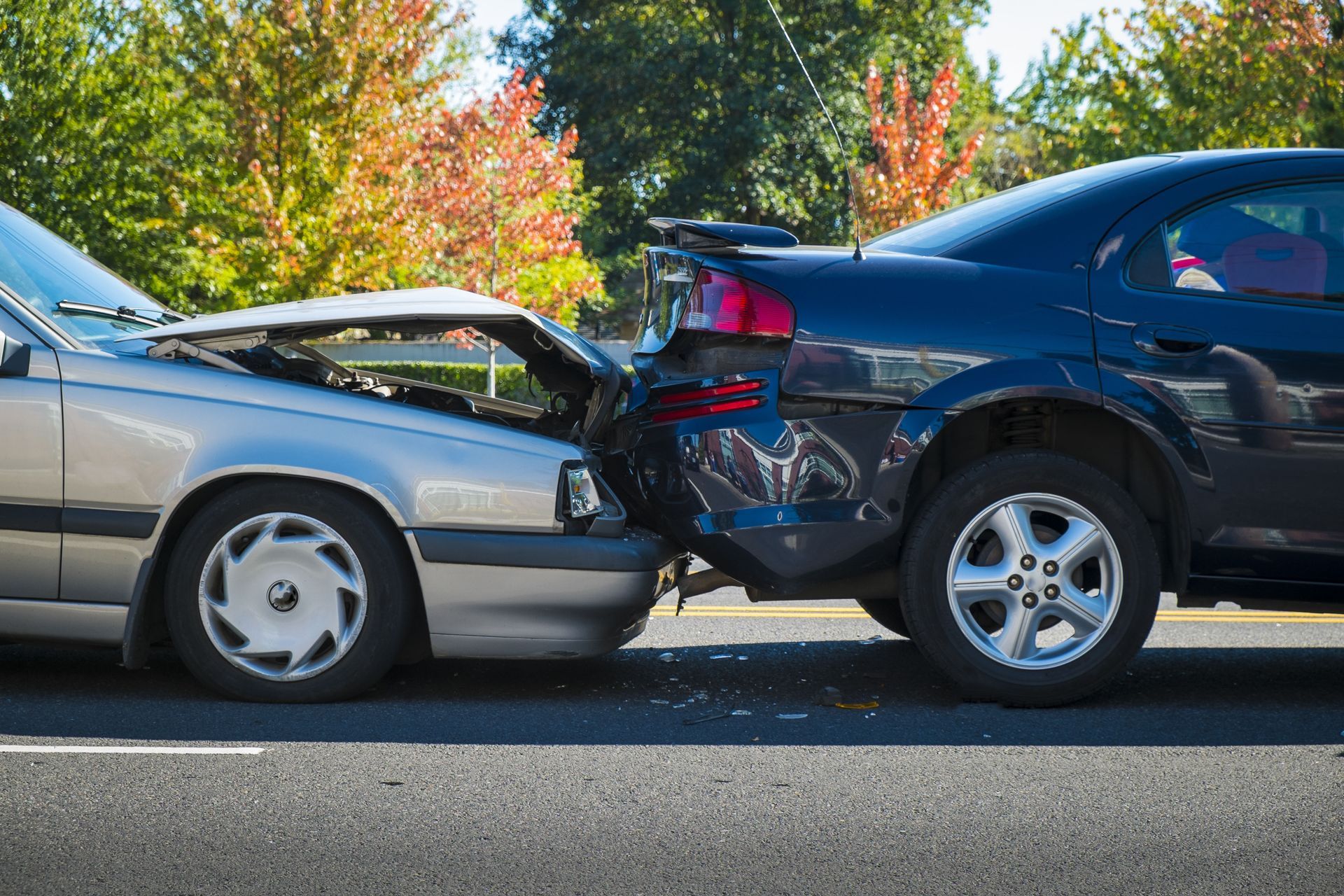
Every collision, whether it is a minor fender bender or a more serious accident, can affect much more than your vehicle's appearance. While dents and scratches are easy to spot, hidden damage beneath the surface can impact how your vehicle performs and protects you on the road. That is why choosing professional collision repair services is about far more than restoring a polished finish.
Modern vehicles are designed with advanced safety systems that work together during an accident. These systems rely on proper alignment, calibrated sensors, and a structurally sound frame to function correctly. When repairs are completed by trained professionals using the right techniques, drivers can feel more confident knowing their vehicle has been restored with safety as the priority.
Assessing the Damage Thoroughly
The first step in professional collision repair is completing a detailed inspection of the entire vehicle. While exterior damage often gets the most attention, experienced technicians know that impacts can affect components hidden behind body panels or underneath the vehicle. Looking beyond the obvious helps prevent future problems that could compromise performance or safety.
Today's repair facilities use computerized measuring systems and specialized diagnostic equipment to identify issues that may not be visible during a simple walk-around. Even a relatively low-speed collision can alter frame alignment or damage electronic safety components. By gathering accurate information from the beginning, technicians can create a repair plan that addresses every concern instead of only the cosmetic damage.
Evaluating the Vehicle Structure
A vehicle's frame acts as the foundation that supports everything else. If the structure has shifted during an accident, the vehicle may no longer respond the way the manufacturer intended during everyday driving or another collision. Restoring that framework is one of the most important parts of professional repairs.
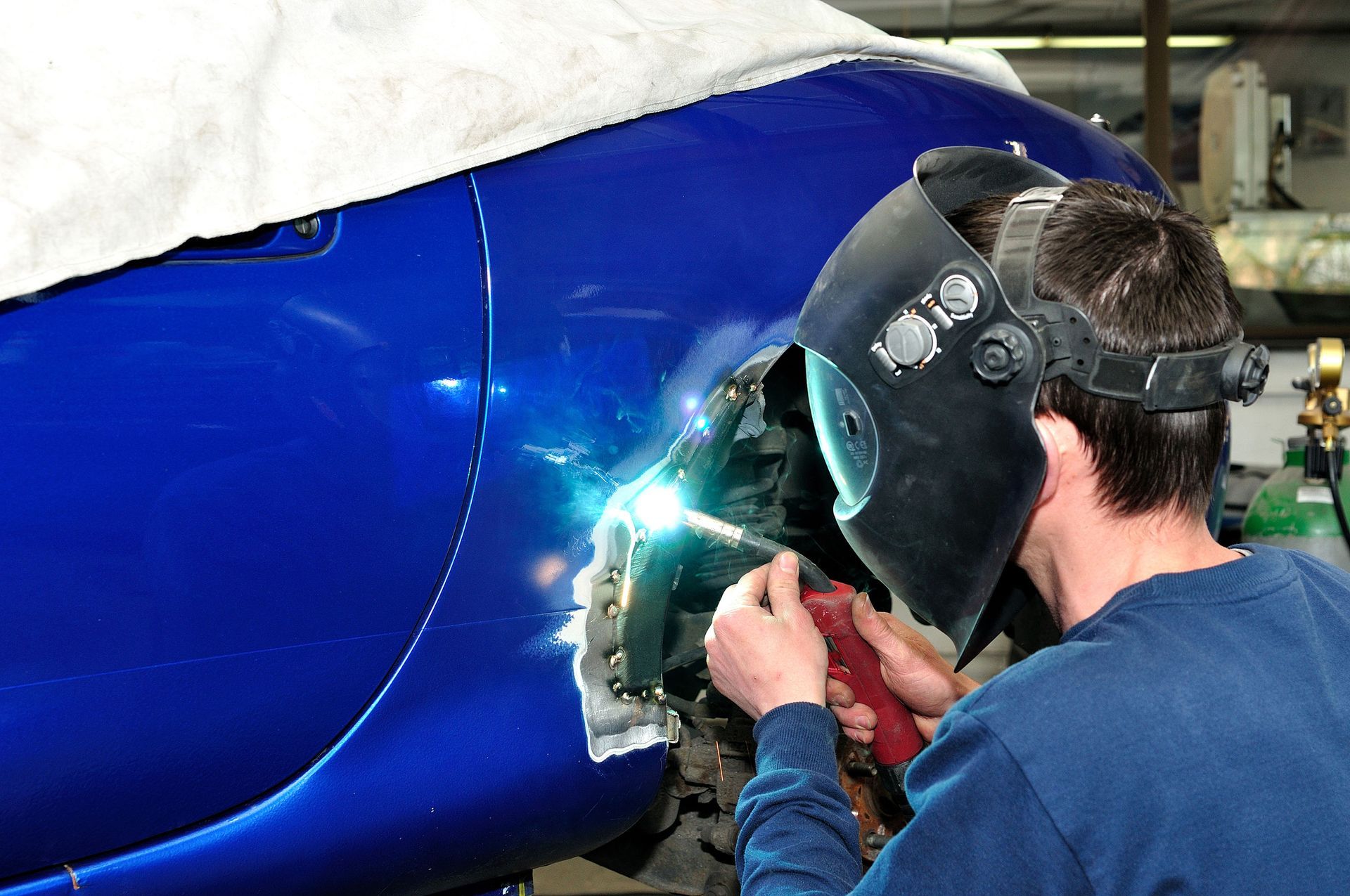
Technicians carefully measure the frame against factory specifications before making adjustments. Using precision equipment, they can return critical structural components to their proper position without creating unnecessary stress on surrounding materials. This careful process helps restore the strength and stability that modern vehicles are engineered to provide.
Structural repairs also help ensure that doors, hoods, trunks, and other components fit and function correctly. Even small alignment issues can create gaps that allow water intrusion, excessive wind noise, or uneven wear over time. Addressing these concerns early contributes to both safety and long-term vehicle reliability.
Restoring the Safety Systems
Many drivers are surprised by the number of electronic safety features found in today's vehicles. Airbags, blind-spot monitoring, collision avoidance systems, parking sensors, adaptive cruise control, and lane departure warnings all depend on accurate calibration after an accident. Simply replacing damaged parts is often not enough.
Professional technicians inspect each affected safety component before completing repairs. Sensors are recalibrated using manufacturer-approved procedures, so they communicate properly with the vehicle's onboard computer. This attention to detail helps ensure these features respond correctly if they are needed again.
Safety extends beyond electronics as well. Seat belts, crumple zones, bumper reinforcement bars, and steering components all play important roles in protecting occupants. A complete collision repair process verifies that each of these systems performs as intended before the vehicle returns to the road.
Replacing With Quality Components
Not every replacement part offers the same level of performance. Professional repair facilities carefully select components that meet manufacturer specifications to help restore the vehicle's original design and safety standards. Choosing quality materials today can reduce the likelihood of problems later.
Skilled technicians also inspect neighboring components while repairs are underway. Damage can sometimes spread farther than expected, particularly after moderate or severe impacts. Replacing worn or compromised parts during the repair process helps prevent additional issues from developing after the vehicle is back in service.
Regular maintenance also plays a role in preventing unnecessary repairs over the life of a vehicle. According to Gitnux, roughly 20% of vehicle repairs is linked to poor maintenance or neglected service, highlighting how routine inspections can reduce costly problems before they become major concerns. Combining proactive maintenance with professional collision repair gives drivers greater confidence in both safety and long-term reliability.
Testing the Mechanical Performance
Once structural work is complete, technicians shift their attention to the vehicle's mechanical systems. Even when an accident appears to affect only the body panels, the force of an impact can influence steering, suspension, braking, and wheel alignment. A thorough inspection helps confirm that every major system operates as expected before the vehicle returns to daily use.
Professional repair shops perform diagnostic scans and hands-on testing to verify that critical components function correctly. They inspect fluid systems, evaluate steering response, and ensure the brakes perform consistently under normal driving conditions. These steps help uncover issues that may not be immediately noticeable but could affect handling or stopping distance over time.
Road testing is another valuable part of the process. Technicians listen for unusual noises, monitor how the vehicle accelerates and corners, and verify that electronic systems communicate properly. This final evaluation confirms that the collision repair process has restored both performance and driver confidence rather than simply improving the vehicle's appearance.
Refinishing the Exterior Professionally
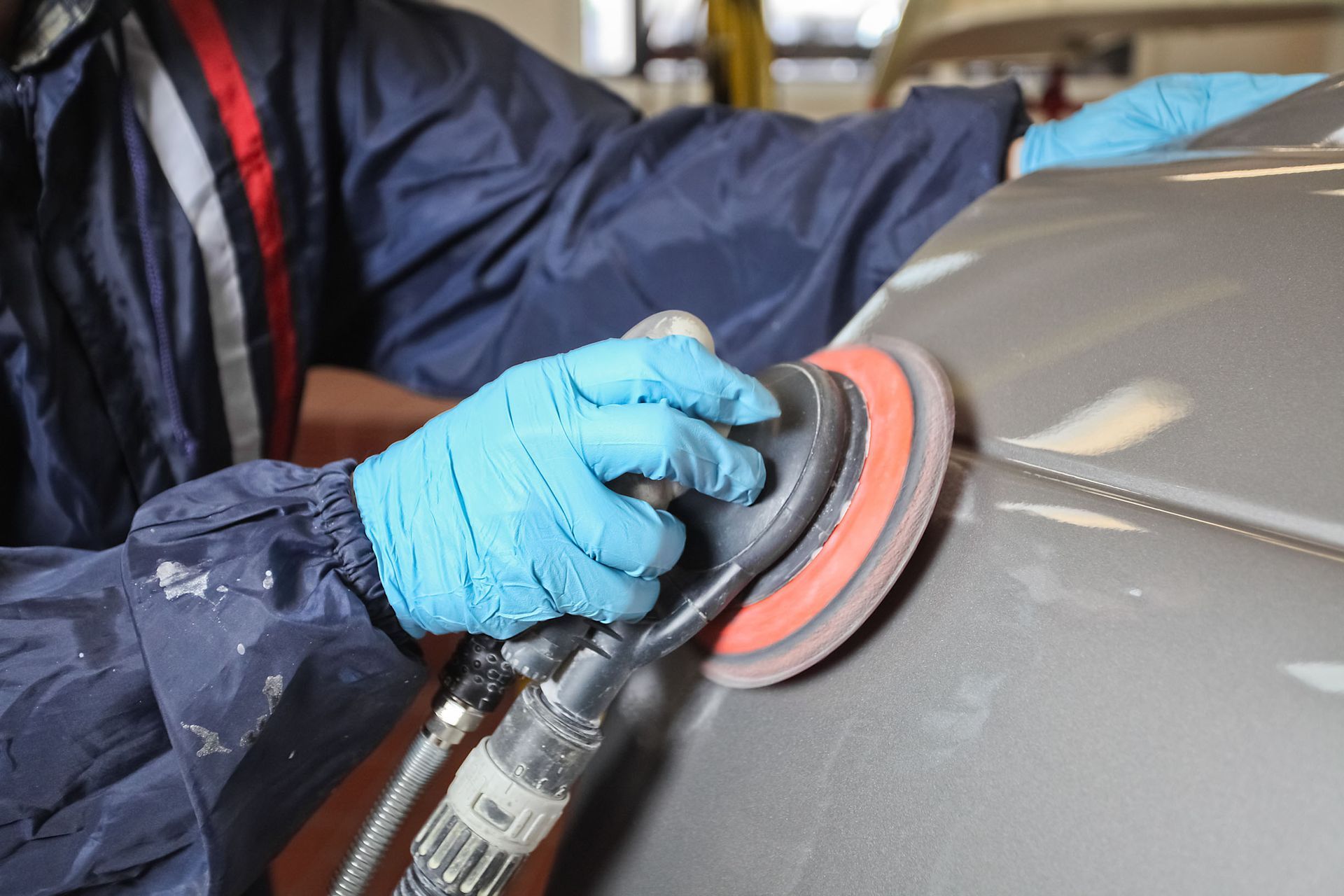
A quality repair should leave the vehicle looking as good as it performs. After structural and mechanical work is finished, technicians carefully prepare the damaged surfaces for refinishing. Every dent is smoothed, every repaired panel is properly prepared, and each surface is inspected before paint is applied.
Modern paint-matching technology allows repair facilities to blend new paint with the existing finish for a consistent appearance. Rather than relying on a close estimate, computerized color matching accounts for factory paint codes, fading, and subtle variations. This creates a finish that looks natural and maintains the vehicle's overall value.
The finishing process includes protective clear coats that help defend against weather, road debris, and everyday wear. Once the paint has cured, technicians inspect the vehicle under proper lighting to verify color consistency and surface quality. The final detailing brings everything together, giving owners the feeling of getting their vehicle back in excellent condition while knowing the work underneath is just as important as what they can see.
Delivering the Final Assurance
Before returning the keys, professional repair facilities complete one final inspection to verify that every repair meets established quality standards. This review confirms that structural work, mechanical repairs, cosmetic improvements, and electronic safety systems all function together as intended. Taking the time to perform this last evaluation provides valuable peace of mind for both the repair team and the vehicle owner.
Many shops also explain the repairs that were completed and answer any remaining questions. Understanding what was repaired and why it mattered helps drivers feel more informed about their vehicle's condition. It also encourages routine maintenance and timely inspections that can help preserve the quality of the completed work.
Professional collision repair is about restoring confidence as much as restoring a vehicle. Knowing that experienced technicians have carefully evaluated every major system allows drivers to focus on the road instead of wondering whether hidden damage remains. That confidence is one of the greatest benefits of choosing qualified professionals after an accident.
An accident can be stressful, but professional collision repair helps restore more than your vehicle's appearance. From repairing structural damage to ensuring safety systems and mechanical components function properly, every step is focused on returning your vehicle to safe, reliable condition. By choosing experienced technicians and quality repair methods, you can protect your vehicle's value and drive with greater confidence. If your vehicle has been involved in an accident, contact Delran Auto Body to learn how professional repairs can restore your vehicle's safety and performance.